

When a flight home is delayed again and again, a group of passengers and staff stranded in a major international airport must endure an endless night in which their stories collide between dark humor, love and cruelty.
Synopsis
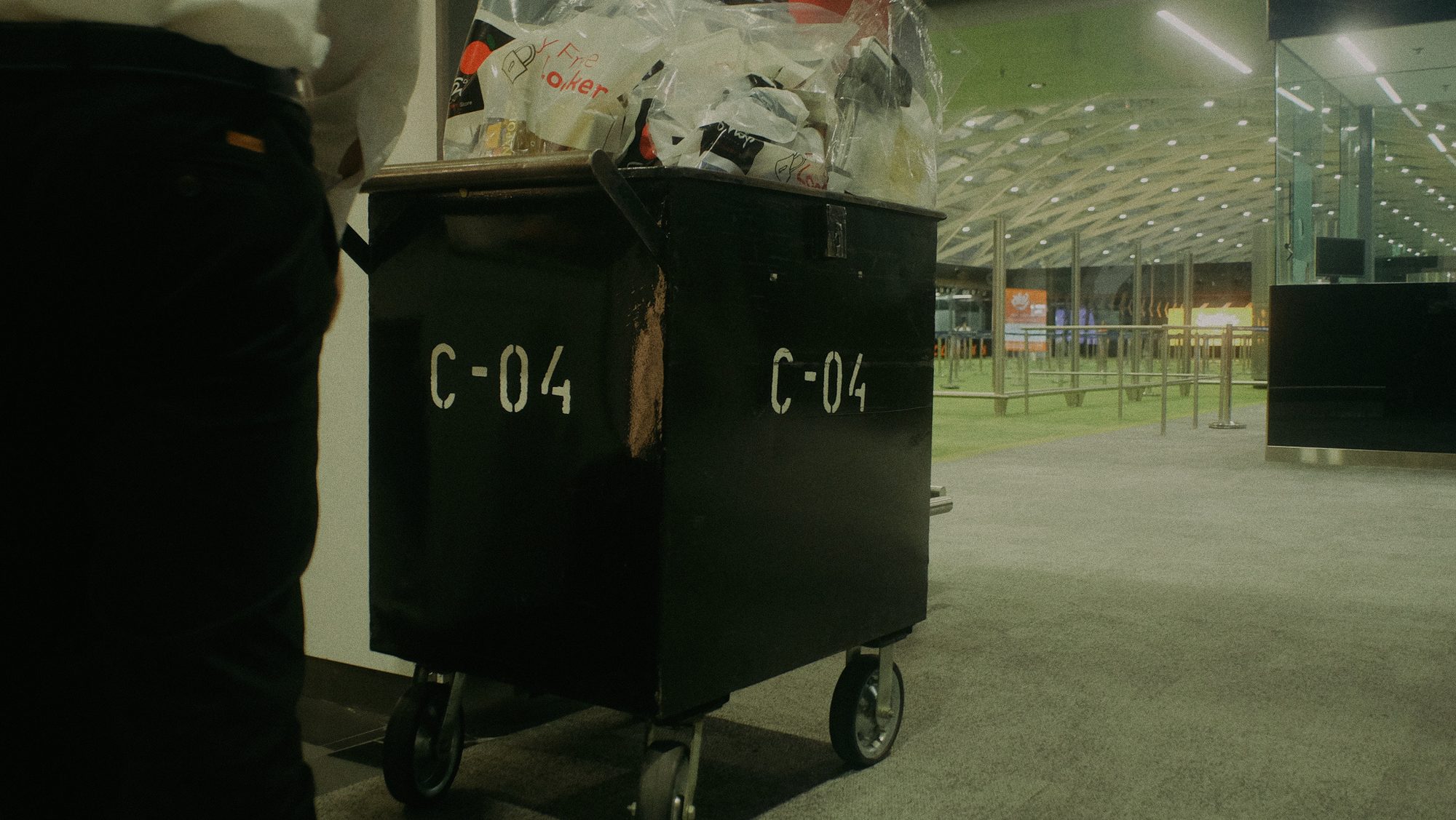
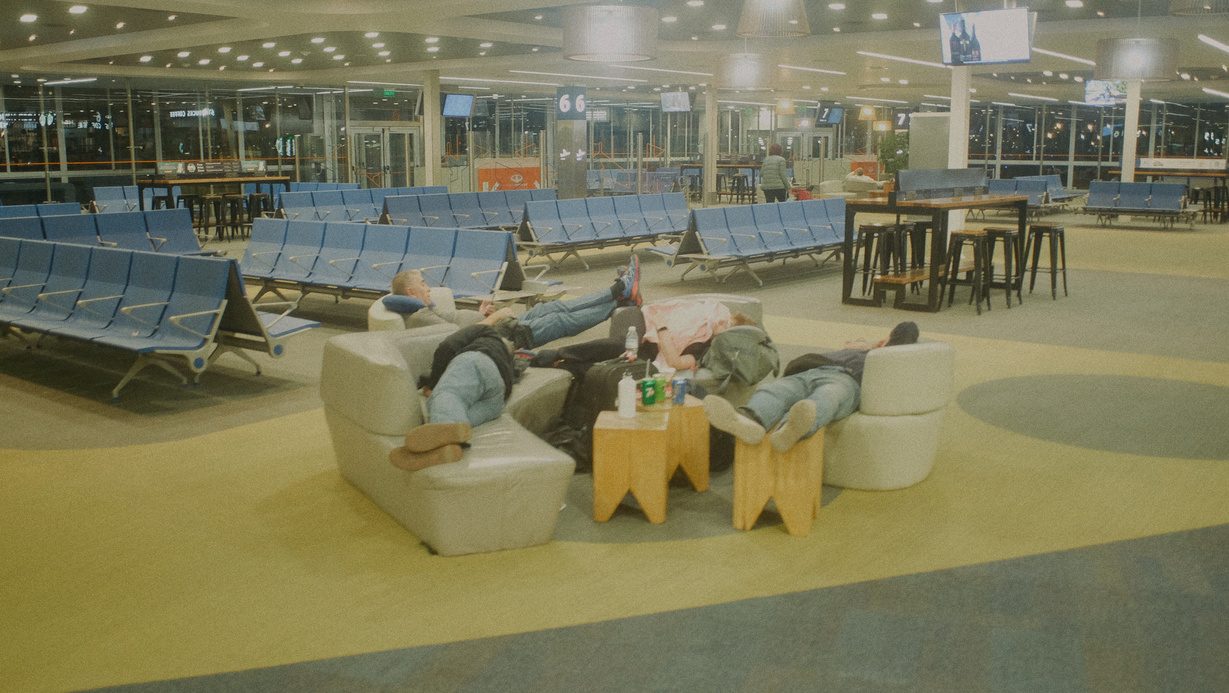
Before the Applause is an ensemble dramedy that takes place over one night in an international airport, as the flight to Buenos Aires is delayed again and again. What was meant to be a simple wait turns into a mosaic of intertwined stories: a family arguing over whether to accept a hotel, a musician paged over the loudspeakers, an influencer locked in by an airline employee, two shallow ad men, an elderly couple with memory problems, and two workers at a Mexican restaurant trying to find each other.
Through corridors, restrooms, waiting lounges and kitchens, the characters cross paths, help each other, humiliate each other, fall in love and try to endure the wait. While some end up trapped in locked offices or lost in the crowd, others find in that night an unexpected space for love, desire or revenge. When the plane finally takes off, the passengers’ applause on landing at their final destination closes a night that, for better or worse, has changed them.

Director’s statement
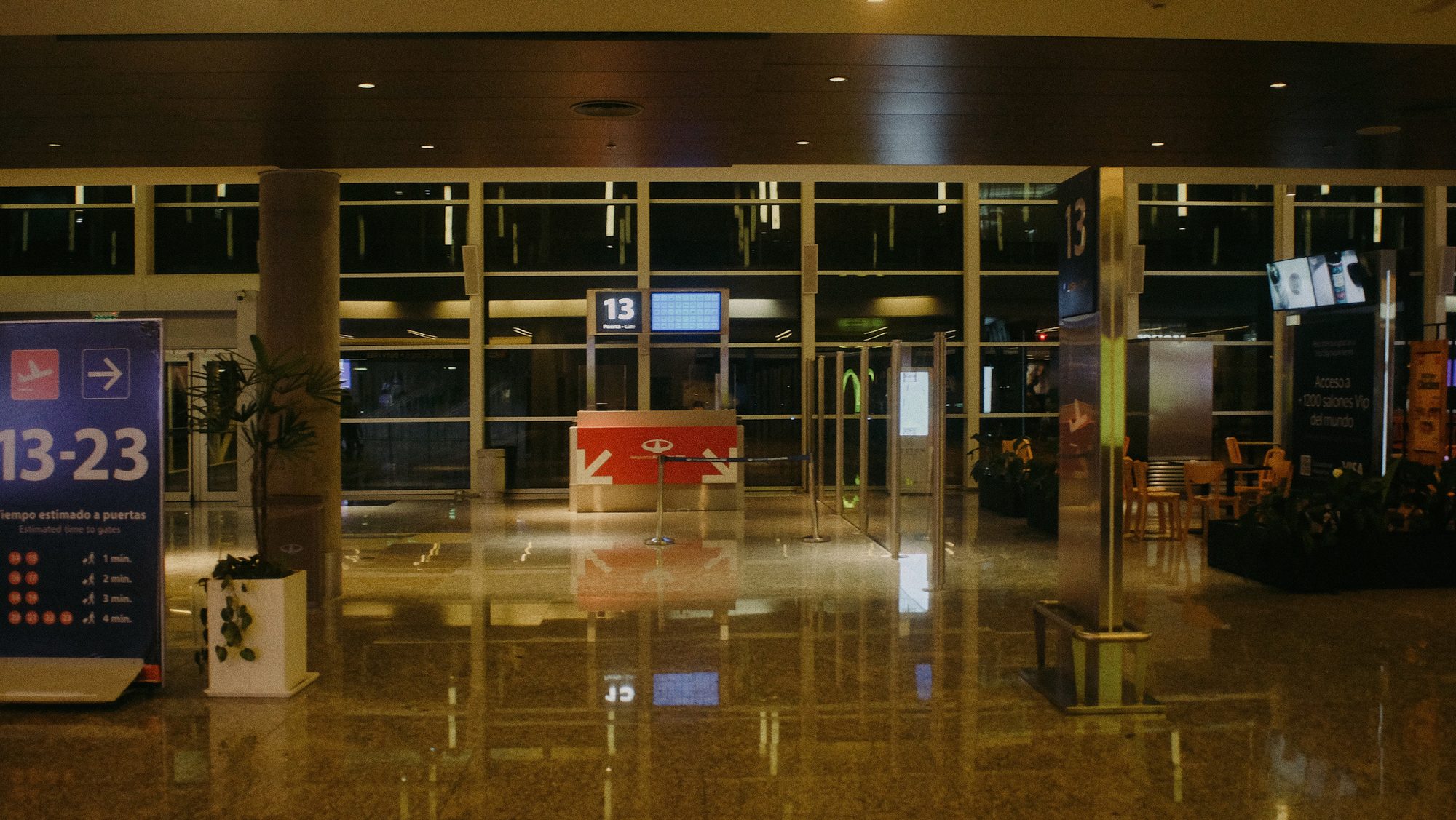
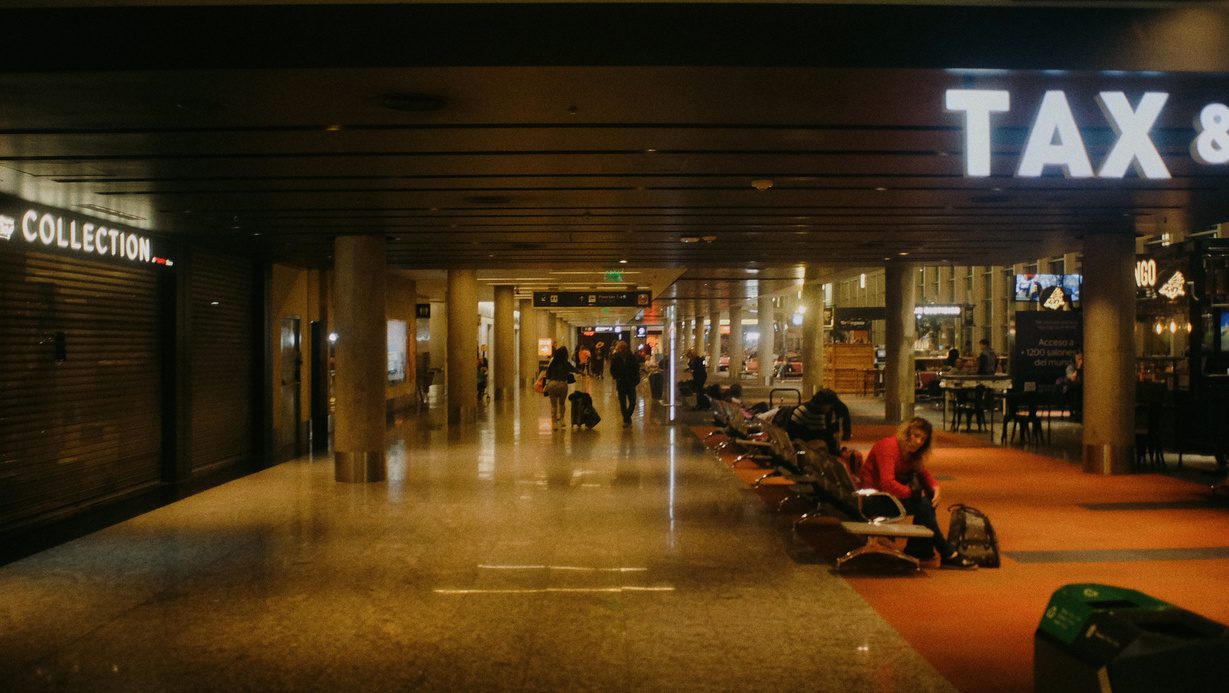
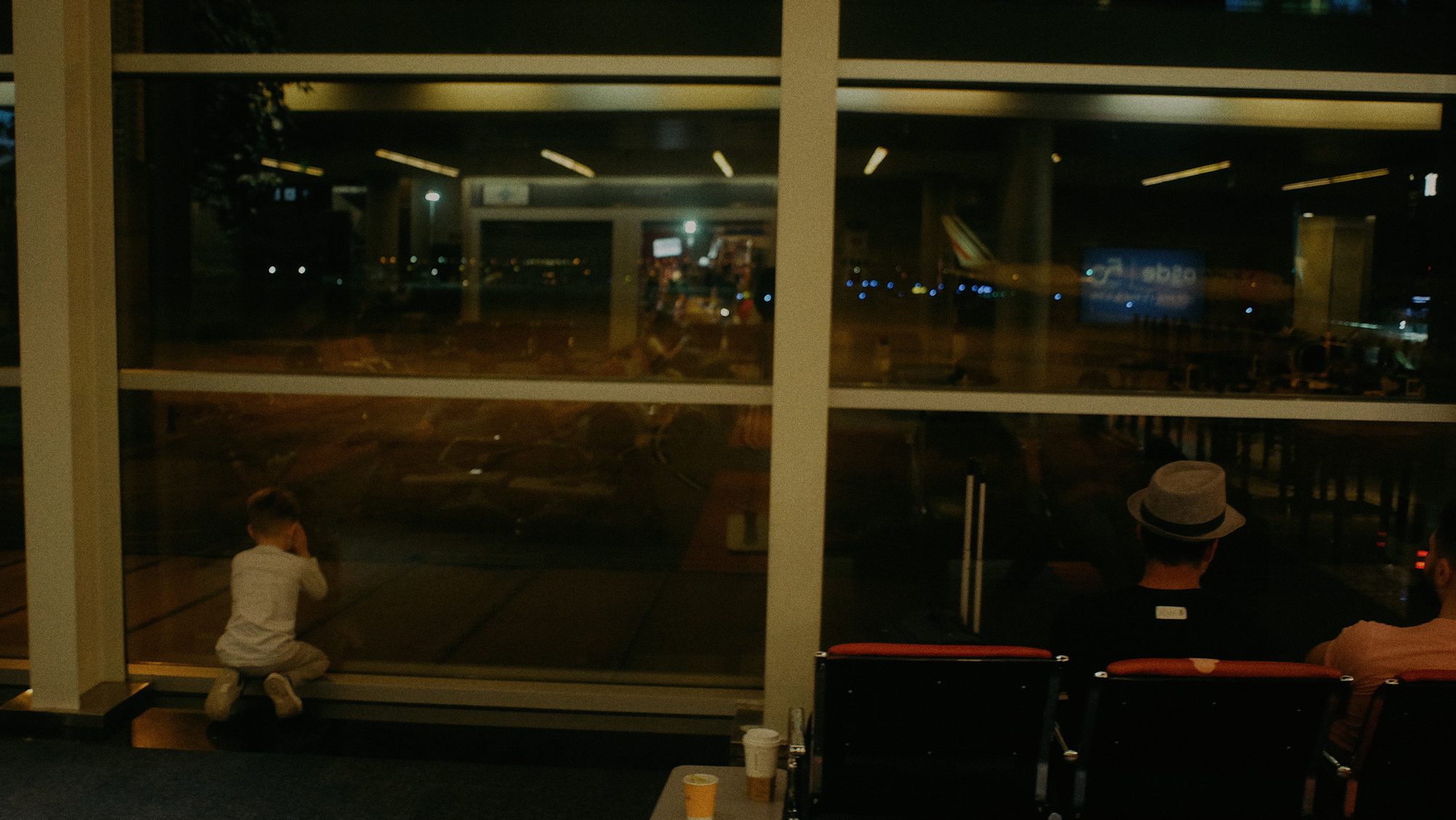
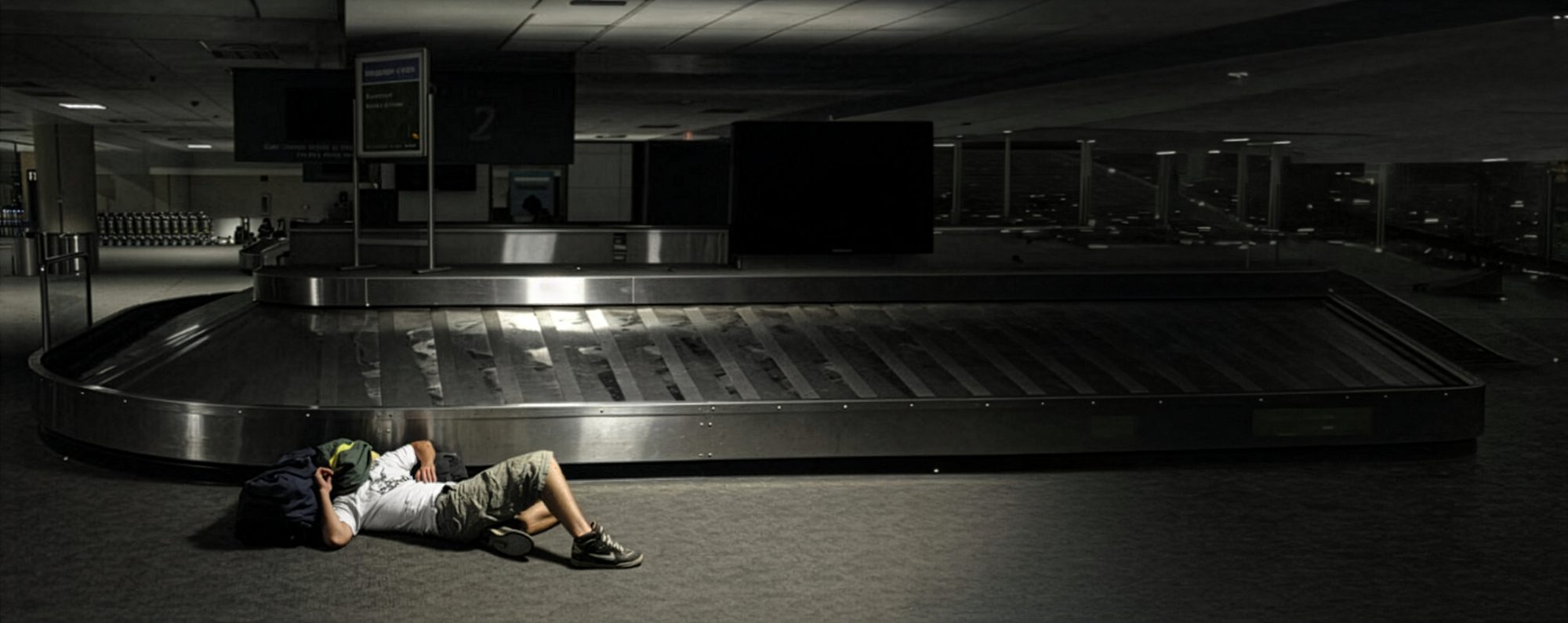
In Argentina, when a plane lands, people applaud. Trying to understand that habit, I found it is a way of releasing the tension built up over hours of waiting — at the airport and inside the plane. I want to film that space because it seems neutral, but it is actually a territory where boredom and chaos are always about to explode: a vast place that nonetheless locks its characters in and puts them to the test.
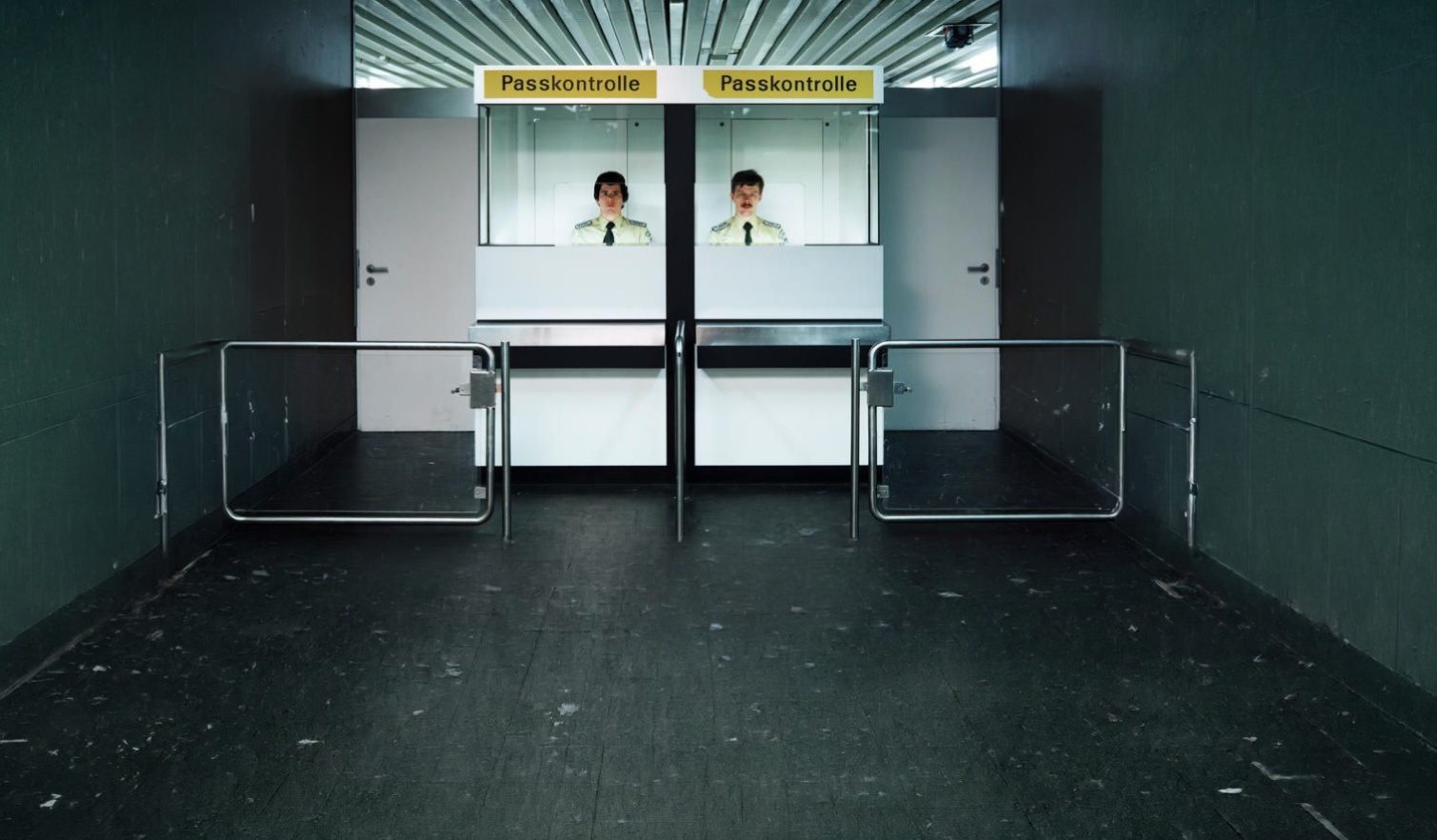
The airport is a non-place that forces us to live alongside strangers and, at the same time, subjects us to permanent control and loss of control. Before the Applause stages that social experiment: the warped, slightly dirty reflection of who we are when we are only a few hours away from getting home.
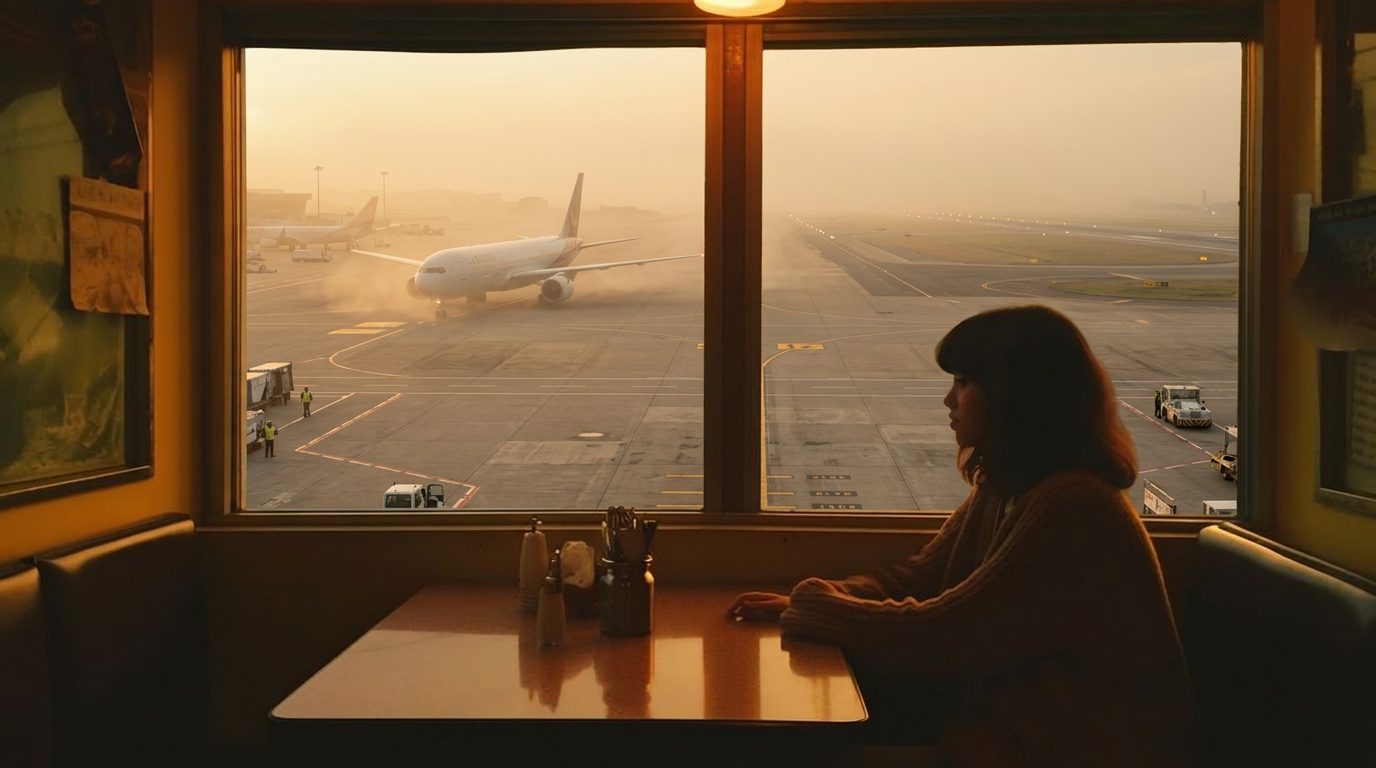
He had his moment of glory and let it slip away. Nothing is known about his past, but there is something dark and pessimistic inside him, offset by a charm and a sense of justice that set him apart from everyone else.
A woman of convictions at a turning point: as the story unfolds, she seems to show signs of being pregnant.
Arrogant and good-looking, he delivers bad news with an angel’s face and takes insults without moving a muscle. He wields a lot of power on this stormy night — power that this time will slip out of his hands, unleashing his rage and an even greater chaos.
She ends up unleashing Charlie’s rage, the film’s most brutal storyline. She also ends up the victim of a would-be predator: Martín, the family man.
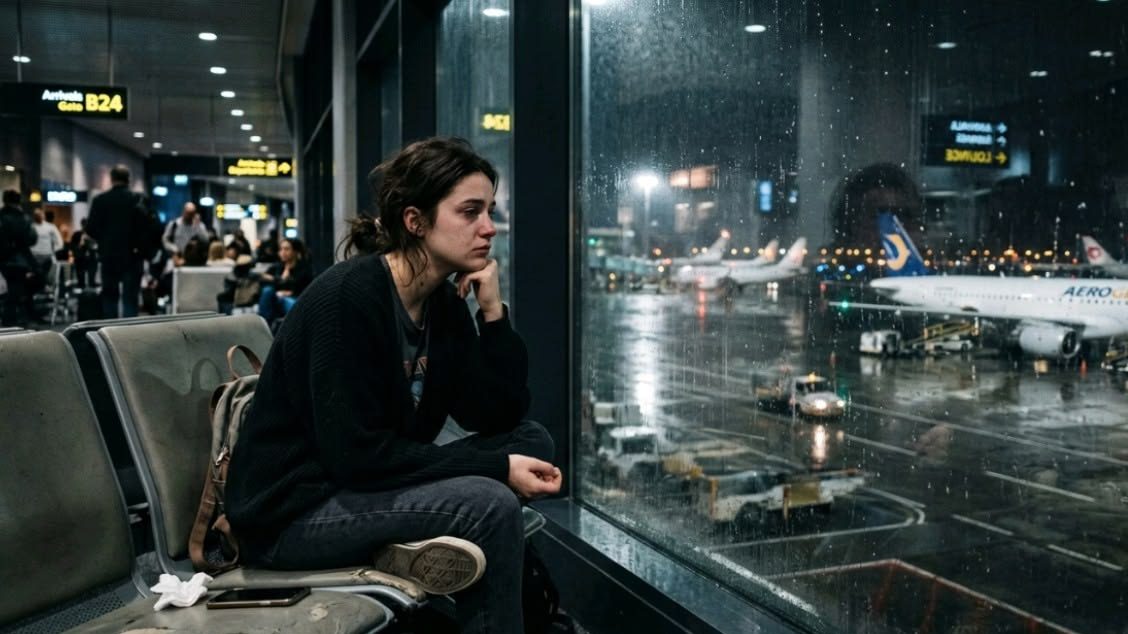
The typical irritating Argentine family at the airport: we’ve seen them a thousand times and suffered them too. Disrespectful to the staff, with permanent contempt for other people’s work. Their solidity as a group is about to crack, making every character outside the family more interesting.
The duo that brings freshness to the film. True to her Cuban roots, Rosa is melodramatic and playful, tired of cleaning up everyone else’s mess — until she gets her small, sweet revenge.
An advertising producer and director. They embody that world with total conviction: cynical, mocking, unpleasant and not very bright, cutting in the way they speak.
Two charming old folks who in fact can’t stand each other. This endless wait will be the turning point in their marriage.
Audiences
Viewers who enjoy ensemble comedies with intertwined characters, in the vein of Love Actually or Magnolia.
Festival audiences who appreciate dark humor and stories of everyday life — anyone who has ever waited for a delayed flight, a frustration that knows no borders.
Adults aged 25 to 55; a global arthouse and streaming audience.
Urban viewers and frequent travellers on every continent; the international festival circuit — A-list and regional alike.
Ensemble structures (“hyperlink cinema”): stories that intersect in the same place and time.
Characters with human, emotional turns rather than plot twists.
Social critique between the lines: a clash of classes — the elite who travel vs. those who serve them.